If you live in Texas and expect to owe income tax this year – perhaps because you have other income that doesn’t have tax automatically withheld – then quarterly estimated tax payments may apply to you. Since Texas doesn’t impose a state income tax on individuals, this pertains to your federal taxes. In this month’s blog, we’ll break down how estimated tax payments work in 2025 and why you should stay on top of them.
Who Needs to Make Estimated Payments?
You may be required to make quarterly estimated payments if:
- You expect to owe at least $1,000 in federal income tax after subtracting withholding and credits.
- You earn income that isn’t subject to withholding — for example: self-employment earnings, gig income, rental property income, dividends, interest, royalties, or other non-wage income.
- Withholding and credits from other income sources are insufficient to cover your overall tax liability. Learn more here.
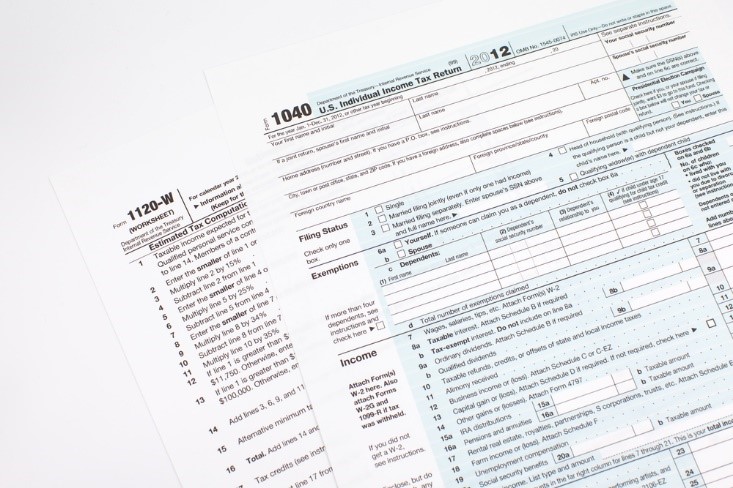
If that describes you, using the federal Form 1040‑ES can help you estimate what you owe. You can pay via online banking, mail, or the electronic IRS systems.
2025 Estimated Tax Payment Schedule
For most taxpayers, the 2025 payment deadlines are:
| Jan 1 – Mar 31, 2025 – due date is on April 15, 2025 | |
| Apr 1 – May 31, 2025 – due date is on June 15, 2025 | |
| June 1 – Aug 31, 2025 – due date is on September 15, 2025 | |
| Sep 1 – Dec 31, 2025 – due date is on January 15, 2026 |
If one of these dates falls on a weekend or legal holiday, the payment is due the next business day.
Why Quarterly Payments Matter
For individuals with income that doesn’t have tax withheld — such as freelancers, contractors, landlords, or investors — quarterly estimated payments help spread the tax burden instead of facing a large bill at tax-filing time.
Additionally, regular estimated payments help avoid penalties. The federal system broadly expects either withholding + estimated payments to meet 90% of your current-year liability, or 100% of your previous year’s tax.
Related: Learn more about tax planning tips for Texas small businesses here.
What Happens If You Don’t Pay or Underpay
If you fail to make estimated payments or underpay, the federal government may impose an “underpayment penalty.” This is why it’s important to stay on top of your income projections and make payments promptly. For many Texans working freelance, contract, or gig-based jobs, quarterly payments can be a smart way to avoid tax-time surprises.
Related: Learn more about the difference between tax preparation and tax planning here.
Get Personalized Guidance and Accurate Calculations Today
Whether you’re self-employed, earning rental or investment income, or simply unsure if quarterly payments apply to you, MARIELA RUIZ, CPA, PLLC is here to help you plan with confidence. Start today by calling us (956) 997-0067 or visiting our website mruiz-cpa.com. Our team is ready to make your year-round tax planning simple, efficient, and stress-free.
Leave a Reply